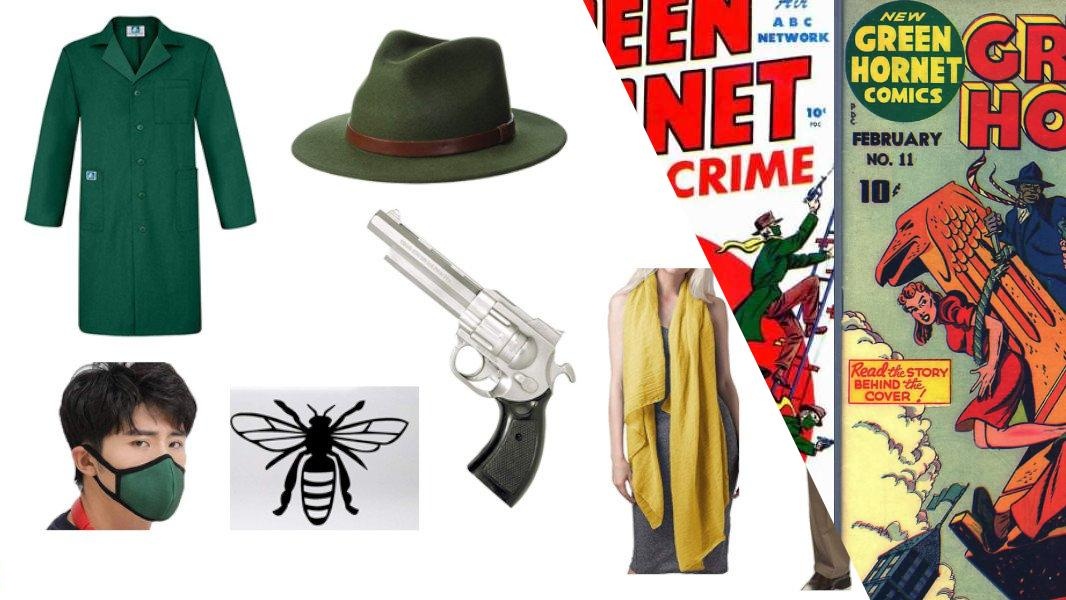
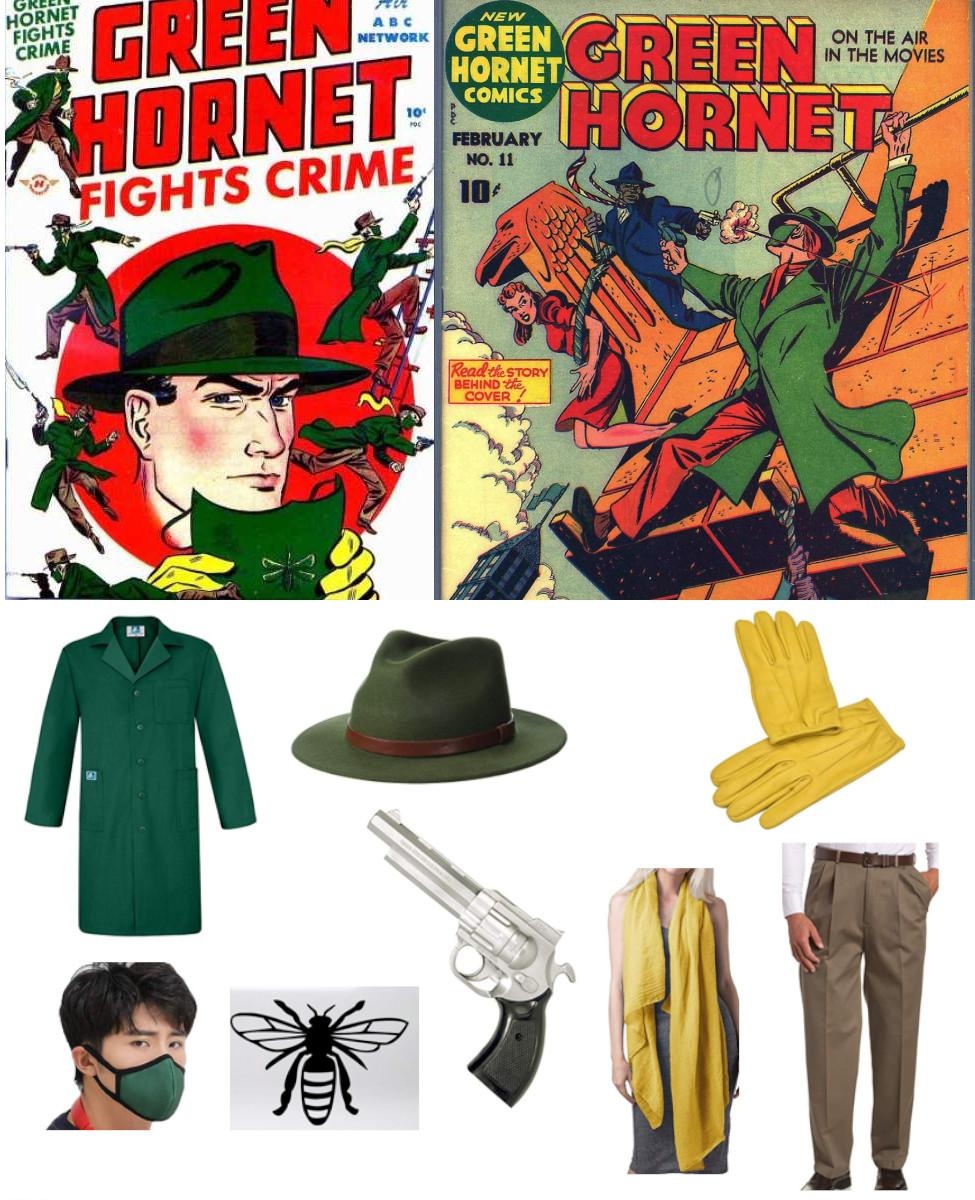
The 1940s Green Hornet serials established a distinct vigilante silhouette defined by tailored civilian clothing rather than spandex. Between the heavy trench coat, the fedora, and bold contrasting accents, the outfit relies heavily on mid-century drape and color balance to distinguish Britt Reid from generic film noir detectives.
Because the original serials were filmed in black and white, comic and promotional materials cemented the color scheme: deep bottle greens offset by sharp yellow highlights. Building this outfit comes down to finding outerwear with authentic period volume, concealing your face effectively, and handling the signature gear.
The Trench Coat and Silhouette
The Long Green Coat anchors the entire build. In the serials, the coat is cut long—falling past the knees—with broad shoulders and a substantial collar that frames the neck. Modern slim-cut coats throw off the 1940s proportions, so aim for an overcoat with enough fullness through the body to look like genuine period outerwear. Keeping it buttoned creates the clean, intimidating shape seen on screen, while leaving the upper lapels slightly open gives room for the scarf to sit properly.
Headwear and Mask
The Dark Green Fedora needs to match the coat’s general tone. A snap-brim style worn tilted slightly forward helps shadow the upper face, which worked on film to obscure the actor’s identity beneath studio lights.
Pairing the hat with the Dark Green Face Mask requires some adjustment. In the serials, the mask covered the bridge of the nose and the lower face, leaving the eyes visible beneath the hat brim. To prevent your breath from fogging glasses or making the fabric damp during long wear, check how snugly the mask rests against your cheeks. Tucking the upper edge just under the hat’s inner sweatband can help keep everything stable when walking around.
Yellow Contrast Pieces
The Yellow Scarf and Yellow Leather Driving Gloves break up the dark green monochrome and give the character his trademark pulp identity. The scarf should be folded lengthwise and tucked neatly inside the coat collar, crossing over the chest rather than hanging loose outside. This fills the neck gap cleanly and protects your neck from rough coat fabric.
For the gloves, unlined or lightly lined driving leather allows you to handle props without fumbling. The yellow should be bright enough to stand out against the coat sleeves, echoing the classic illustrated covers where Reid’s hands and chest immediately draw the eye.
Trousers and Proportions
The Dark Brown Wide Khaki Slacks supply the correct 1940s leg line. Period men’s trousers sat higher on the waist than contemporary pants and featured generous room through the thigh, falling straight down over the shoes. A darker brown provides solid grounding underneath the green hem without clashing against the yellow highlights. Plain dark dress shoes or oxfords complete the lower half without demanding special fabrication.
Building the Gas Gun
Britt Reid’s non-lethal gas gun is his defining tool. Starting with the Vintage Costume Pistol gives you the vintage receiver shape and barrel length typical of 1930s and 40s sci-fi pulp weapons.
Apply the Wasp Sticker Decal to the grip or side panel of the receiver to represent the green hornet seal. If you want to take the prop further, lightly sanding the plastic seam lines and applying a coat of matte gunmetal or deep green paint over the body before applying the decal gives the pistol a weathered, machined appearance.