What You’ll Need

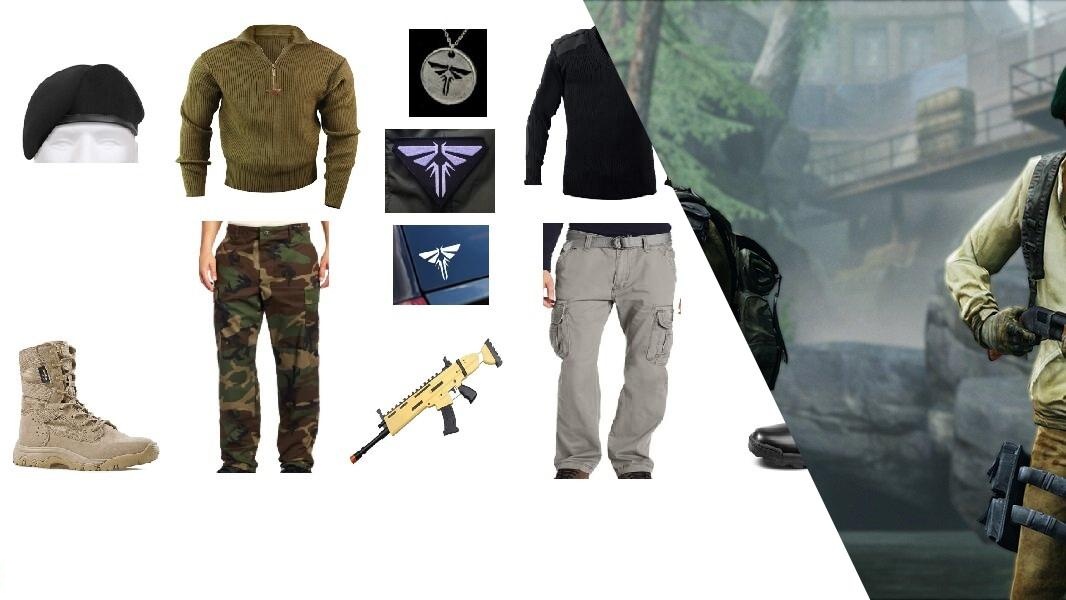
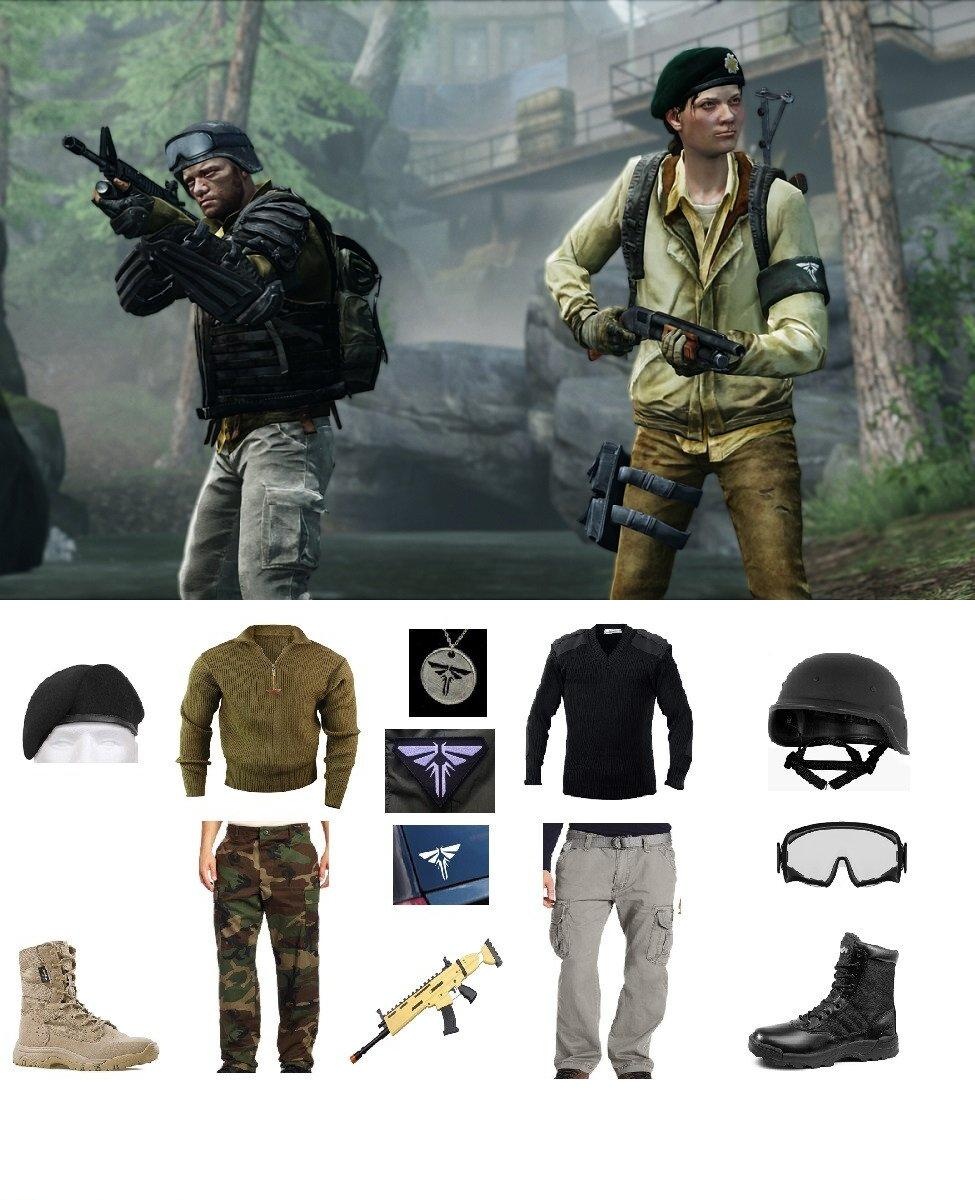
Firefly Look for the Light Patch
Firefly Look for the Light Sticker

Firefly Symbol Pendant

Beret
Helmet

Goggles

Black Military Sweater

Grey Cargo Pants

Black Combat Boots

Olive Military Sweater

Camoflauge Pants
Tan Combat Boots

Foam Costume Rifle
The Fireflies operate as a decentralized militia across the post-outbreak ruins, which means their field gear balances utilitarian surplus with scavenged civilian clothing. You are not assembling a pristine, uniform military kit here; you are putting together the weathered setup of an insurgent fighter who has spent years contesting FEDRA quarantine zones.
Recreating a Firefly comes down to two primary palettes seen in the field: dark tactical layers centered around ribbed commando sweaters with grey cargo trousers, or an olive and woodland camouflage surplus combination. Anchoring either build is their distinctive faction insignia—most notably the insect emblem dog tag and the spray-stenciled slogan.
The Base Layers: Urban Tactical or Woodland Surplus
The commando sweater is the primary upper garment for Firefly sentries and field operatives. A ribbed military knit with reinforced shoulder and elbow patches provides the dense, functional texture worn on patrol in Boston and Salt Lake City. An Olive Military Sweater yields a classic insurgent aesthetic, while a Black Military Sweater shifts the outfit toward night operations and urban perimeter posts.
For trousers, match the environment of your intended build. Grey Cargo Pants pair naturally with the black knit for a concrete-heavy urban aesthetic. If you opt for the olive upper, Camoflauge Pants reflect the overgrown, forest-reclaimed zones outside quarantine walls. In both instances, relaxed straight cuts with functional cargo pockets hold up best when loaded with field supplies.
Headgear and Protective Equipment
Firefly fighters adapt whatever head protection they salvage from overrun military outposts. A dark Beret pulled to the side conveys field rank or militia coordination, frequently seen on checkpoint sentries. For frontline combatants, an olive or matte Helmet paired with tactical Goggles strapped over the crown establishes a heavier defensive profile suited for combat engagements.
Footwear and Ground Movement
Sturdy service footwear grounds the silhouette. Black Combat Boots complement the grey and black urban kit, while Tan Combat Boots tie together the woodland and olive surplus combination. Blousing or tucking pant cuffs into the tops of the boots keeps the lower leg streamlined and prevents loose fabric from catching on holster straps or outdoor debris.
Badges, Pendants, and Militia Markings
The single most vital component distinguishing a generic post-apocalyptic survivor from a sworn Firefly is faction identification. Every member carries a stamped metal pendant etched with their name, unit code, and the insect logo. Wearing a Firefly Symbol Pendant over your base sweater gives the build unmistakable allegiance.
Field gear regularly features faction emblems sewn or stamped directly onto bags, vests, and jackets. A Firefly Look for the Light Patch can be heat-pressed or stitched onto a sweater sleeve, chest rig, or canvas satchel. For rigid hard goods like canteens, helmets, and rifle stocks, applying a Firefly Look for the Light Sticker reproduces the look of hand-tagged rebel propaganda.
Weapons and Weathering
Standard Firefly squads carry surplus long arms on patrol. A Foam Costume Rifle provides a safe convention-friendly base that carries the bulk and profile of an assault rifle without running into prop policy issues.
Pristine fabric looks out of place in a two-decade cordyceps quarantine world. Dusting sweater elbows, boot toes, and cargo pocket seams with fuller’s earth or thinned acrylic washes breaks down factory sheen and settles the costume into a believable post-collapse setting.