What You’ll Need


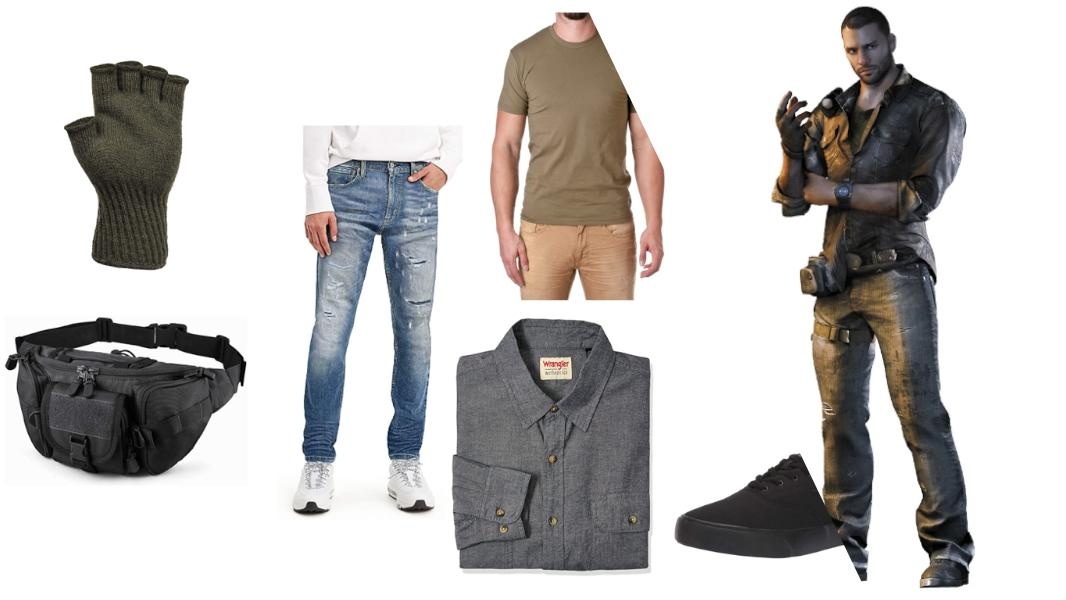
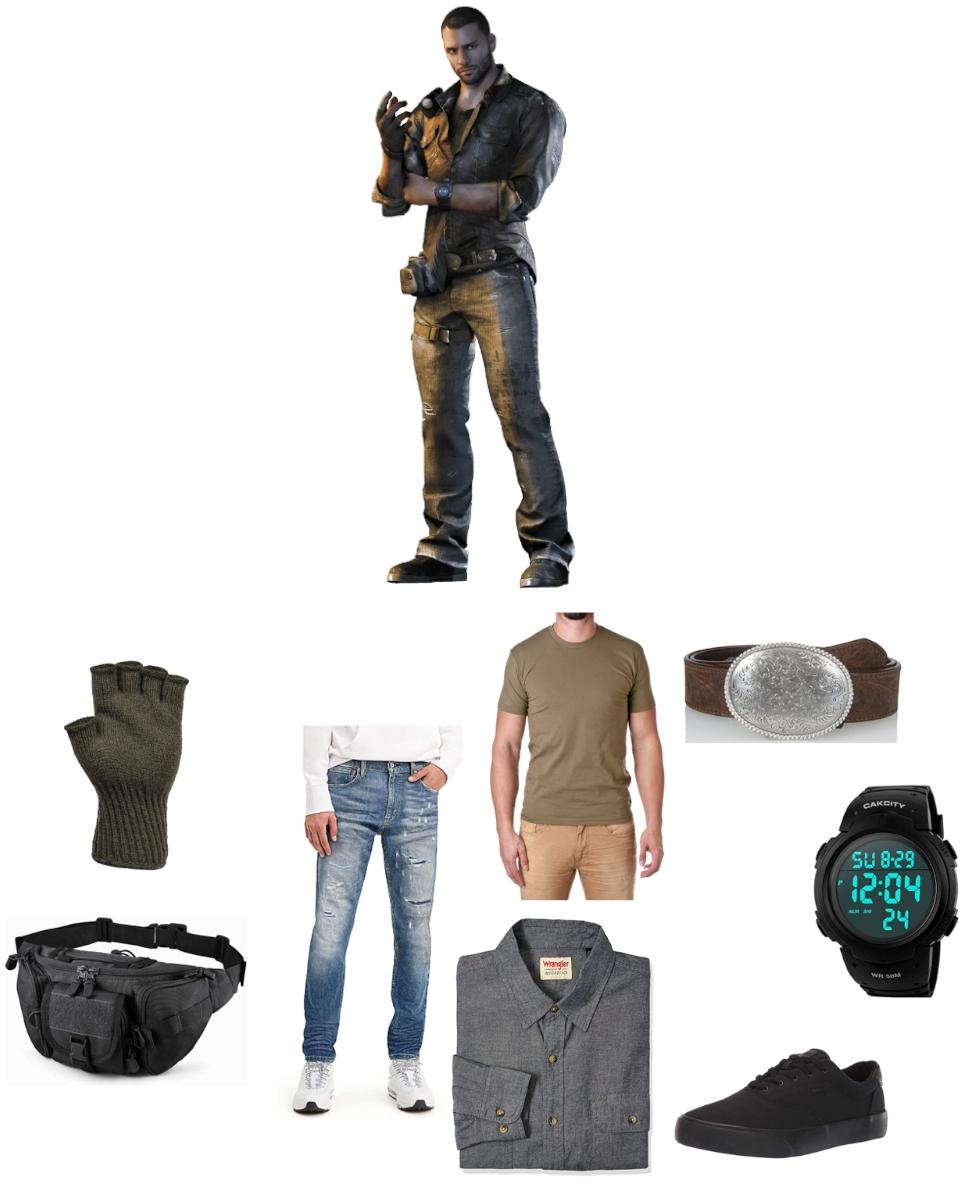
Kyle Crane’s signature outfit in Dying Light reflects the brutal, improvised reality of Harran’s quarantine zone. As a parkour runner navigating zombie-infested rooftops, his gear balances agile athletic wear with rugged surplus clothing that has endured relentless weathering, dust, and close calls.
Recreating this costume comes down to layering simple utility staples and distressing them convincingly. Because the base pieces are grounded in real-world apparel, the visual impact depends almost entirely on texture, grime, and the specific arrangement of tactical accessories rather than specialized tailoring.
Shirt Layering and Weathering
Crane wears an unbuttoned, short-sleeved grey utility shirt over a fitted olive green t-shirt. The outer shirt features a structured collar, twin buttoned chest pockets, and a sturdy cotton weave. Leaving the front completely open creates the distinct running silhouette seen in third-person cutscenes and promotional art, while exposing the muted green base tee beneath.
The grey utility shirt should have sleeves that end just above the elbow or can be loosely rolled once to replicate Crane’s functional cut. Color choice between the two shirts establishes proper contrast: a cool, desaturated grey on the outside against an earthy olive drab underneath. Choosing matte cotton fabrics rather than shiny synthetic blends keeps the silhouette grounded.
Fresh retail shirts look far too pristine for someone surviving in a ruined city. Rubbing coarse sandpaper along the collar points, shoulder seams, and pocket flaps softens the rigid factory finish. Sponging watered-down dark grey or burnt umber fabric paint across the hemline and armpits adds realistic sweat stains and environmental grime without stiffening the material.
Trousers and Footwear
On his lower half, Crane wears medium-wash blue denim jeans with a relaxed, straight-leg cut that accommodates running and climbing. A pair of men’s distressed jeans provides the frayed cuffs, faded knees, and abrasions typical of concrete slides. Securing the denim requires a durable brown leather belt fitted with an unadorned oval metal buckle.
The jeans should sit comfortably at the natural waist without pooling excessively over the sneakers. A slight roll at the hem prevents the frayed denim from dragging under the heels while keeping the shoe profile unobstructed. Distressed patches can be enhanced by scraping the fabric horizontally with the edge of a scissors blade, pulling loose white weft threads across the darker warp fibers.
Footwear is straightforward and practical. Crane runs in low-top black sneakers built with cushioned athletic soles and dark laces. Standard black runners provide the necessary mobility while blending cleanly into the lower silhouette. Dusting the toe caps and outsoles with a light brushing of beige chalk pastel or real soil helps them match the worn state of the jeans.
Runner Gear and Wristwear
Crane carries his critical survival supplies in a compact grey tactical fanny pack slung low around the waist. Rather than resting flush against the front, the pouch sits slightly off to the side over the hip. Filling the pack with lightweight packing foam or folded fabric maintains its rounded, functional shape without dragging down your waistband during long wear.
His hands and wrists feature minimal hardware designed for rapid movement. Olive green fingerless gloves cover the palms and knuckles while leaving the fingertips free for climbing ledges and gripping props. On his left wrist, Crane wears a digital watch with a round black bezel—the in-game tool he relies on to monitor daylight before the volatiles emerge at dusk.