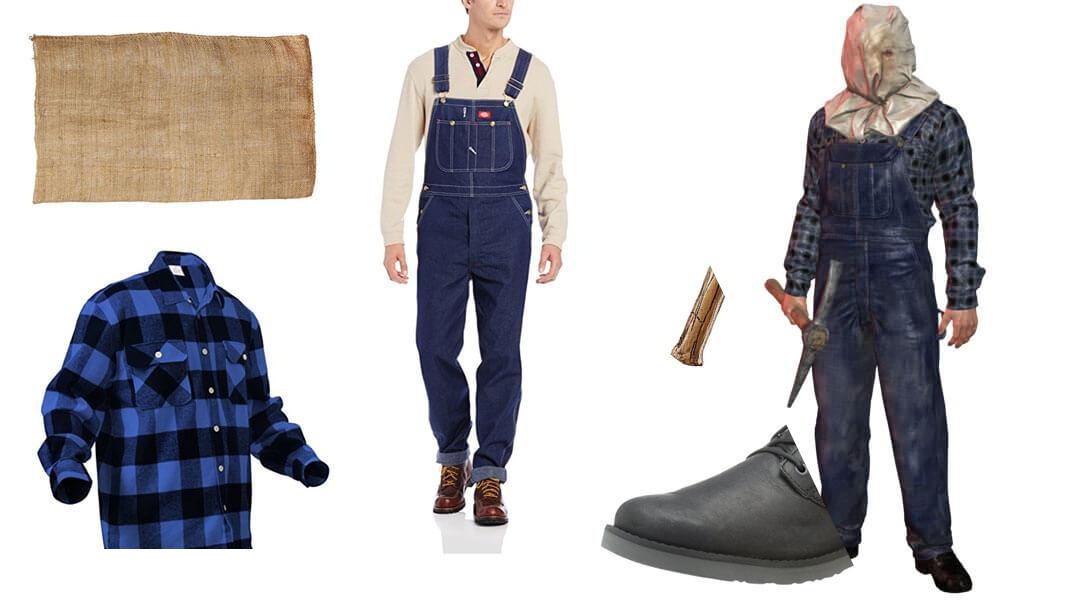
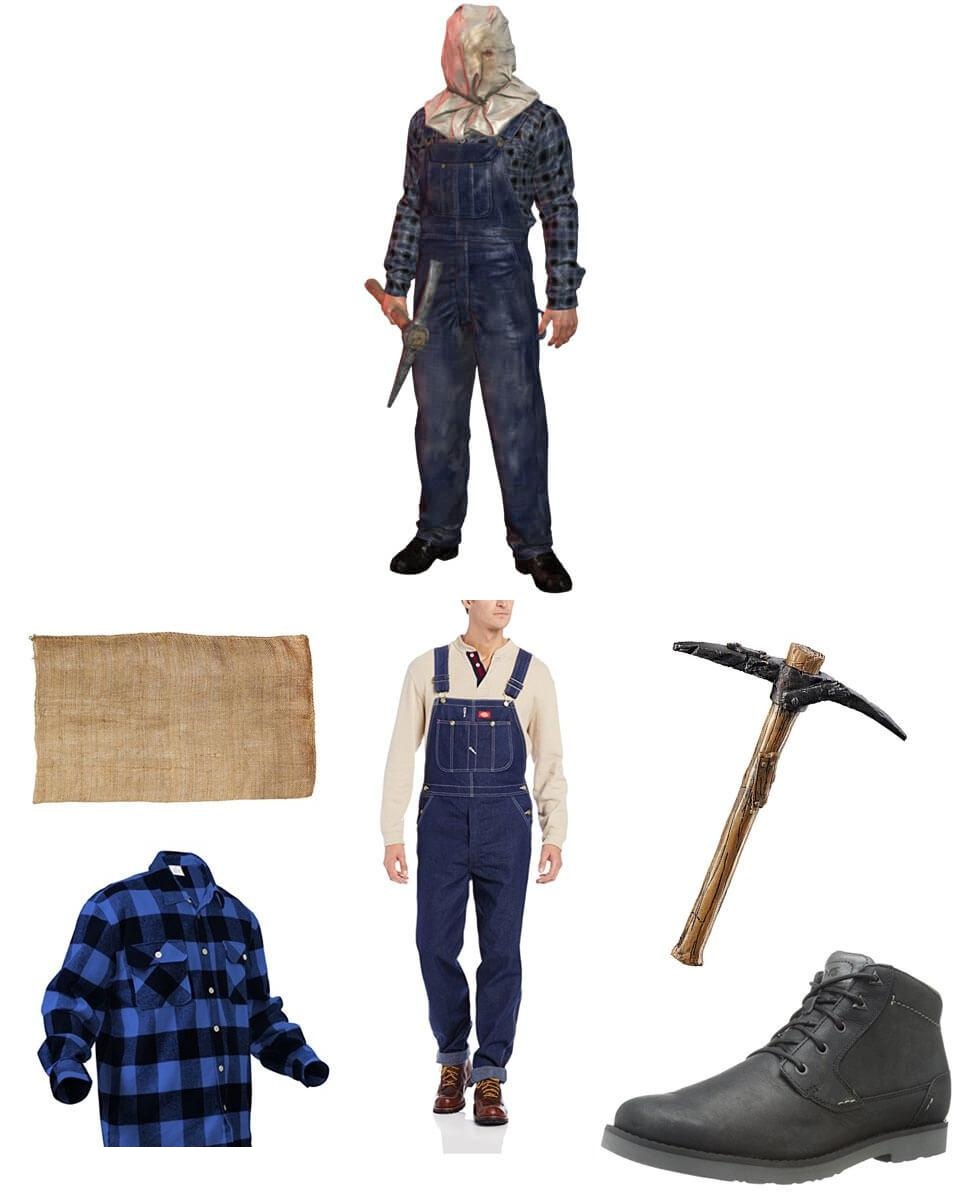


Before Jason Voorhees found his hockey mask at Higgins Haven, his appearance in Friday the 13th Part 2 was defined by rough workwear and a crude burlap feed sack tied with rope. It is a grounded, utilitarian horror design that relies on heavy textures, layered farm clothing, and an asymmetrical single-eye opening rather than polished special effects.
Recreating this look comes down to two priorities: getting the single-eyehole burlap mask right and making standard work clothes look like they spent years in the woods around Packanack Lodge. Fresh retail garments will appear out of place without deliberate distressing.
Crafting the Burlap Sack Mask
The sack is the focal point of the entire costume. In the film, Jason wears an off-white or natural tan burlap sack tied snugly around his throat with simple hemp rope. The most critical visual detail is the eyehole: there is only one cut out, placed specifically over the left eye. Leaving the right side completely blank keeps the silhouette screen-accurate and hides the facial deformities implied beneath the fabric.
Raw burlap has a loose weave that scratches bare skin and sheds fibers into your eyes and nose. To wear it comfortably for hours, sew or glue a soft cotton balaclava or thin jersey hood inside the sack. This creates a barrier against itching and prevents the sack from shifting as you turn your head. When cutting the single eyehole, trace your actual eye placement while wearing the inner hood first, then cut a slightly irregular opening with scissors rather than a clean stencil circle.
The neck tie should be loose enough to breathe and swallow comfortably, but snug enough to hold the gathered fabric against your collar. Cut a length of medium-weight natural jute or hemp rope, knot it loosely around the neck, and stitch a small tack through the rope and burlap at the back to stop the knot from slipping down your chest.
Overalls and Flannel Layers
Underneath the mask, Jason wears a blue plaid flannel work shirt paired with dark rigid denim bib overalls. The fit should lean slightly loose and rugged. You want room underneath for unrestricted movement, particularly across the shoulders and chest where the straps rest.
Rigid dark denim bibs provide the right heavy-duty weight, but straight out of the package they appear stiff and brand new. Wash them multiple times with coarse towels to break the stiffness, then use medium-grit sandpaper along the knees, thigh fronts, pocket seams, and bottom cuffs to create realistic fabric friction. A dilute wash of acrylic raw umber and black paint sponged along high-wear areas will replicate years of damp forest grime.
The flannel shirt underneath should peek out at the chest sides and full sleeves. Roll the sleeves down to the wrists, leaving the cuffs unbuttoned or rolled up just once. Keep the bib straps adjusted high enough so the hem of the overalls does not drag completely under your boot heels.
Boots and Weapon Prop
Black or dark brown leather chukka boots or simple round-toe work boots anchor the bottom of the costume. The hem of the overalls should fall naturally over the top of the boots, partially obscuring the laces. Dark leather that shows scuffs or has a dull matte finish fits the rugged farm aesthetic much better than polished dress leather.
The pickaxe is Jason’s standout weapon throughout Part 2. When adapting a lightweight plastic pickaxe for events, focus on eliminating the bright plastic sheen. Sand down any visible mold seams along the handle and head, then apply a matte dark wood stain or brown acrylic dry-brushing over the handle. For the head, a base coat of flat black followed by silver graphite rub or metallic dry-brushing gives the blade the appearance of forged cast iron while staying lightweight and convention-friendly.